Vitamin D supplements for Perimenopause
Navigating perimenopause can be challenging, especially for working parents juggling multiple responsibilities. This transitional phase brings hormonal changes that can affect mood, energy, and overall well-being.
Vitamin D emerges as a vital ally during this time. Known for its role in bone health, it also supports mood regulation and immune function. These benefits are crucial as you manage the demands of work and family life.
Understanding vitamin D's impact can empower you to make informed health choices. It helps alleviate common perimenopausal symptoms, offering a natural way to support hormonal balance.
The right vitamin D dosage is essential for optimal benefits. Many experts recommend 600-800 IU daily, but individual needs may vary. Consulting a healthcare provider ensures safe and effective supplementation.
Natural vitamin D sources include sunlight, fatty fish, and fortified foods. However, supplements can be a practical solution, especially during winter months with limited sun exposure.
Incorporating vitamin D into your routine can enhance your wellness journey. It complements lifestyle changes like stress management and regular exercise, promoting overall health.
This guide will explore how vitamin D supplements can support you through perimenopause, offering practical advice for a balanced life.
Understanding Perimenopause and Its Challenges
Perimenopause marks the transitional phase leading up to menopause. It's characterized by fluctuating hormone levels that can last several years. These changes can be bewildering, particularly for working parents maintaining busy lives.
Symptoms of perimenopause vary widely. Common symptoms include mood swings, fatigue, and changes in menstrual cycles. Some women also experience hot flashes and night sweats, which can disrupt sleep and affect daily function.
Hormonal imbalances during perimenopause can impact mental health. Many women report increased anxiety, irritability, and even depression. Understanding these symptoms is crucial for managing them effectively.
Bone health is a significant concern during perimenopause. Decreased estrogen levels can lead to loss of bone density, raising the risk of osteoporosis. This makes maintaining bone health a priority during this phase.
Given these challenges, it's essential to adopt strategies that offer relief. Key strategies include:
Regular exercise to support bone density
Stress-reduction techniques like meditation or yoga
A balanced diet rich in nutrients
Awareness and proactive management of these challenges can ease the transition. This approach promotes a smoother journey through perimenopause.
The Role of Vitamin D in Women’s Health
Vitamin D is vital for women's health, influencing several key areas. It plays a significant role in maintaining bone density, crucial during perimenopause. Lower estrogen levels can weaken bones, but vitamin D supports calcium absorption, helping prevent osteoporosis.
Beyond bone health, vitamin D impacts immune function. A robust immune system is essential for defending against infections and illnesses. This becomes particularly important during the hormonal fluctuations of perimenopause.
Vitamin D also helps in mood regulation, playing a role in combating depression. This can ease mood swings often experienced during perimenopause. Ensuring adequate vitamin D levels can thus contribute positively to mental health.
Women can benefit from incorporating vitamin D into their wellness plan. Notable benefits include:
Stronger bones
Improved immune response
Enhanced mood stability
These benefits underscore vitamin D's importance in women's health. Regular sunlight exposure, a balanced diet, and possibly supplements can help achieve optimal levels. Consulting a healthcare professional can tailor vitamin D intake to individual needs, maximising overall health benefits.
Vitamin D Benefits During Perimenopause
During perimenopause, women's bodies undergo significant changes. This transitional period can bring various challenges, but vitamin D offers several potential benefits.
Vitamin D plays an essential role in maintaining bone density. As estrogen levels drop, bones can become fragile. By supporting calcium absorption, vitamin D helps protect against osteoporosis, a common concern during perimenopause.
Beyond bone health, vitamin D impacts mood regulation. Hormonal shifts during perimenopause can lead to mood swings and depressive symptoms. Adequate vitamin D levels have been associated with a lower risk of depression, aiding in emotional stability.
Furthermore, vitamin D supports a healthy immune system. Perimenopause can make women more susceptible to infections. By bolstering immune defenses, vitamin D assists in warding off illnesses, contributing to overall well-being.
Additional benefits of maintaining optimal vitamin D levels during perimenopause include:
Enhanced muscle function
Reduced inflammation
Improved overall mood and energy
These advantages of vitamin D highlight its importance during this life stage. Combined with a balanced diet and regular exercise, vitamin D can significantly improve quality of life. It’s crucial to monitor vitamin D intake and consult healthcare providers to tailor a plan that suits individual needs.
Common Symptoms of Perimenopause and How Vitamin D Can Help
Perimenopause brings several symptoms due to fluctuating hormones. These changes may disrupt daily life, yet vitamin D can offer relief.
Hot flashes are a common complaint. They affect sleep and focus. While vitamin D might not directly reduce hot flashes, it aids general hormonal health and balance. Fatigue is another symptom. Many women feel exhausted and less energetic. Vitamin D supports muscle function, which can improve energy levels and reduce fatigue.
Mood swings and increased anxiety are also prevalent. These emotional shifts stem from hormonal changes. Vitamin D can help stabilize mood by supporting neurotransmitter function, promoting a sense of calm.
Bone health concerns amplify during perimenopause. The risk of osteoporosis increases, posing long-term health threats. Vitamin D enhances calcium absorption, thereby maintaining bone density and strength.
Additionally, some women report joint pain and inflammation. Vitamin D's anti-inflammatory properties may provide relief.
Overall, managing perimenopause symptoms with vitamin D involves:
Promoting bone strength
Enhancing energy levels
Supporting mood stability
Incorporating vitamin D, alongside other healthy habits, can significantly ease the perimenopausal transition. Regular check-ins with a healthcare provider ensure appropriate vitamin D strategies for symptom management.
Vitamin D Dosage: How Much Do You Need?
etermining the right dosage of vitamin D is crucial, especially during perimenopause. The needs can vary greatly depending on individual factors.
Experts generally recommend an intake of 600-800 IU per day for adults. However, personal requirements may differ, necessitating a tailored approach. Consultation with a healthcare provider is beneficial for dosage customization.
Factors influencing vitamin D needs include age, geographic location, and current vitamin D blood levels. For those with low levels or minimal sunlight exposure, higher doses may be necessary.
It's essential to consider:
Current vitamin D levels
Lifestyle and dietary habits
Seasonal sunlight exposure
Regular blood tests are advised to monitor vitamin D levels accurately. These tests help gauge whether your current intake meets your body’s needs or requires adjustment.
Remember, too much vitamin D can lead to toxicity. Therefore, understanding individual requirements and monitoring intake is important. Empower yourself with knowledge about your body's vitamin D needs and seek expert guidance when needed. By doing so, you can optimize your health during the perimenopausal transition.
Best Vitamin D Sources: Sunlight, Food, and Supplements
Finding sources of vitamin D is key for supporting health during perimenopause. This vitamin can be sourced naturally and via supplements.
Sunlight is a primary, natural source of vitamin D. Exposure to sunlight helps the skin synthesize this important vitamin.
However, busy schedules and climate conditions can limit sun exposure. Therefore, turning to dietary sources and supplements is often necessary.
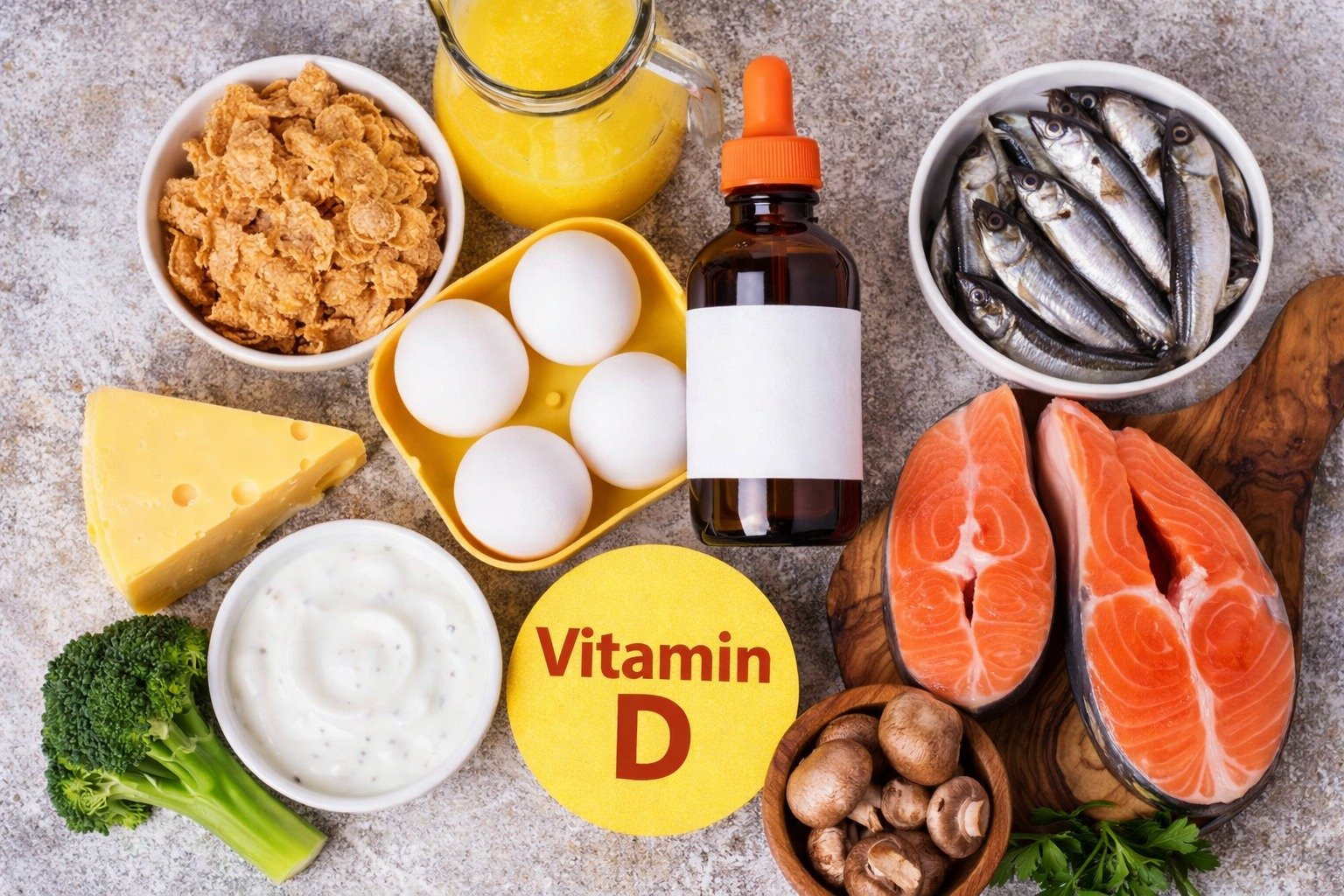
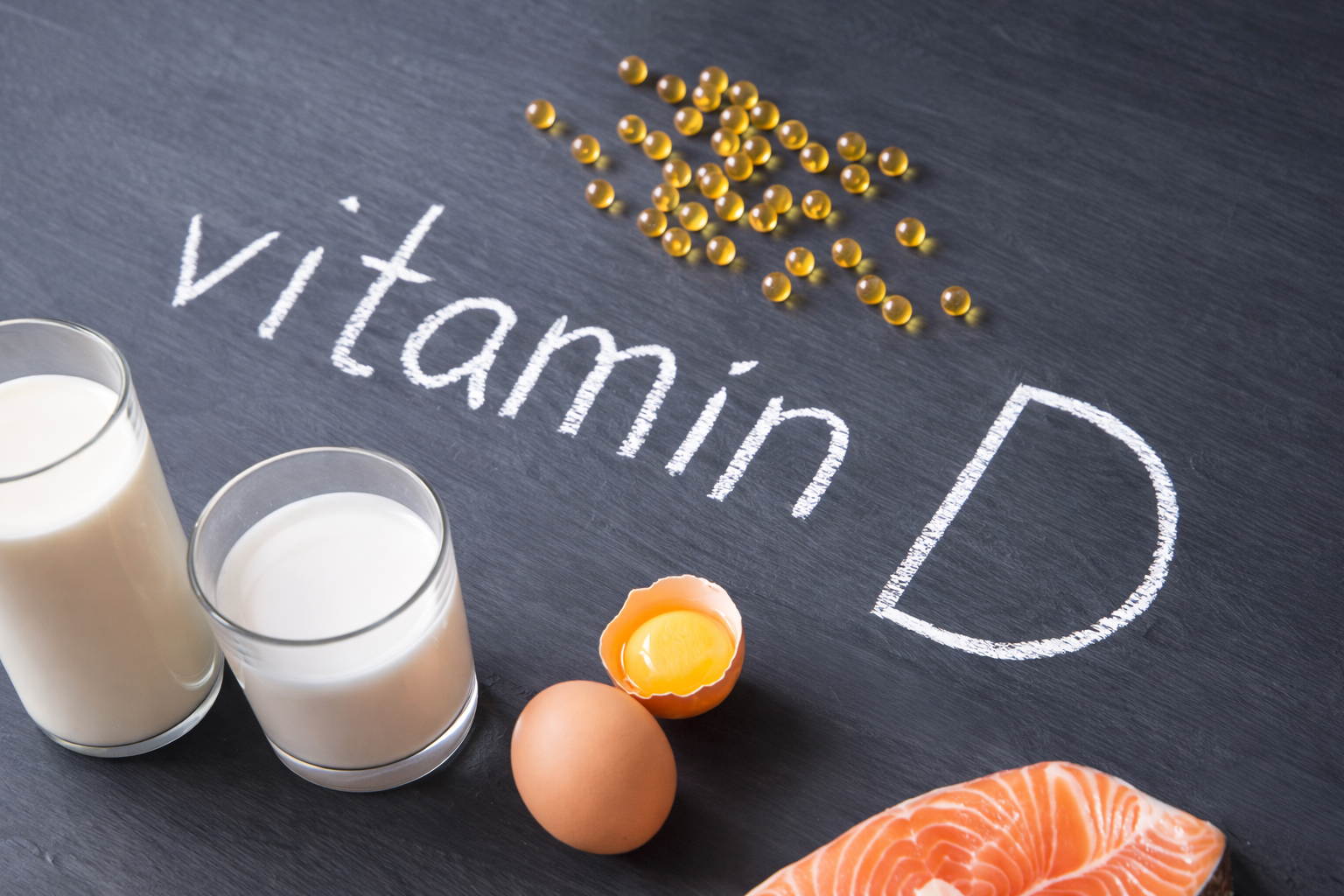
Several foods are rich in vitamin D, helping fill dietary gaps. Notable options include:
Fatty fish like salmon and mackerel
Fortified foods, such as milk and cereals
Egg yolks
For many, supplements become essential, particularly when dietary intake or sunlight exposure is insufficient. Supplements provide a straightforward way to ensure adequate intake.
Incorporating these sources into daily life helps balance vitamin D levels. By combining sunlight, a variety of foods, and practical supplements, it's easier to maintain optimal health. Embracing this blend can significantly enhance well-being during the perimenopausal transition.
Choosing the Right Vitamin D Supplement
Selecting a vitamin D supplement can be overwhelming, given the options available. Prioritizing quality and suitability for your needs is crucial.
First, check the form of vitamin D in the supplement. Vitamin D3 (cholecalciferol) is generally recommended, as it's better absorbed and effective compared to D2.
It's also vital to evaluate the supplement's dosage. Matching your vitamin D needs with the appropriate dosage ensures optimal benefits. Consulting a healthcare provider is advisable to tailor the supplement to your specific requirements.
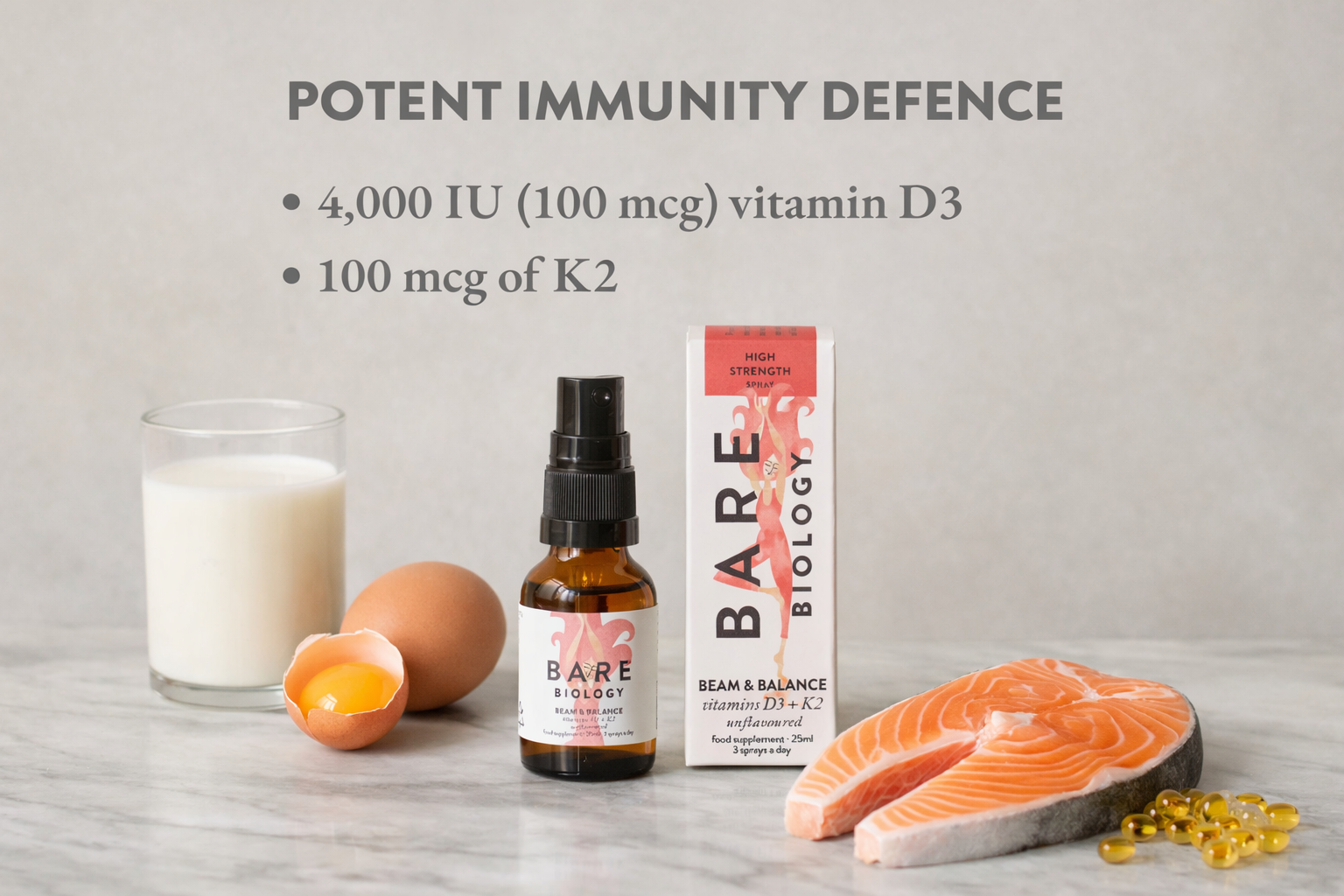
Consider the format that works best for your lifestyle. Options include:
Capsules
Tablets
Liquid drops
Reading labels carefully is essential for transparency about contents and quality. Opt for reputable brands that offer third-party testing for added assurance.
By factoring in these points, you can confidently select a vitamin D supplement. Making an informed choice supports your wellness journey through perimenopause.
Safety Considerations: Can You Take Too Much Vitamin D?
Vitamin D is crucial for health, but moderation is key. Excessive intake can lead to toxicity, causing adverse health effects.
Symptoms of vitamin D toxicity include nausea, kidney issues, and elevated calcium levels. These can lead to more severe complications if not addressed.
Determining safe vitamin D levels involves considering your personal health status. Recommended daily doses vary, generally between 600-800 IU for adults, but individual needs may differ.
To avoid overconsumption, it's important to:
Monitor your supplement intake
Regularly check your blood levels
Consult a healthcare provider for personalized guidance
Maintaining awareness and adhering to safe dosage guidelines can prevent complications. This ensures you benefit from vitamin D without the risks. Always prioritize safe supplementation practices for optimal health during perimenopause.
Integrating Vitamin D Into a Busy Lifestyle
Balancing work and family leaves little time for self-care. Yet, small changes can ensure you meet your vitamin D needs.
Simplify your approach by incorporating vitamin D into daily activities. This can seamlessly fit into your hectic schedule.
Consider these strategies to boost your vitamin D intake:
Spend a few minutes outdoors daily
Include vitamin D-rich foods like salmon and fortified cereals in your meals
Set a reminder to take your supplement at the same time each day
Batch cook meals with vitamin D sources on weekends. This saves time and ensures nutritious options are always ready.
Engage the whole family in outdoor activities like walking or gardening. This is beneficial for health and fosters quality family time.
Consistency is key. Even small, regular actions can make a significant difference in maintaining your health during perimenopause.
Building a Holistic Wellness Routine for Perimenopause
Creating a wellness routine during perimenopause requires a balanced approach. Focus on addressing both physical and mental well-being.
Incorporating vitamin D is just one part of this journey. A comprehensive routine can ease the transition and improve your overall health.
Consider these elements for a holistic wellness plan:
Nutrition: Prioritize a balanced diet rich in fruits, vegetables, and whole grains.
Exercise: Aim for regular physical activity, such as yoga or brisk walking.
Stress Management: Explore meditation or breathing exercises to manage stress levels.
Sleep Quality: Ensure restful sleep by establishing a relaxing bedtime routine.
Tailor your routine to fit your lifestyle and preferences. Personalization ensures adherence and success in managing symptoms.
Seek support from friends, family, or support groups. Sharing experiences can provide motivation and valuable insights.
Remember, small consistent steps lead to significant improvements. Embrace this period with a proactive and positive mindset.
Key Takeaways and Next Steps
Understanding the role of vitamin D during perimenopause is essential. It supports bone health, mood, and overall well-being.
To integrate vitamin D into your life, remember these key steps:
Consult with a healthcare provider for tailored advice.
Include vitamin D-rich foods like fatty fish and fortified cereals.
Consider supplements if your diet or lifestyle requires it.
Prioritize exposure to sunlight when possible.
Now that you're equipped with this knowledge, take a proactive approach. Begin by assessing your current vitamin D levels with your doctor.
From there, make informed decisions about supplementation and lifestyle changes. Small adjustments can lead to significant improvements in managing perimenopausal symptoms.
Finally, stay informed and open to exploring other wellness strategies. Your health journey is unique, and adapting to your body's needs is a lifelong commitment.
References:
Zhaojun Mei , Hong Hu , Yi Zou , Dandan Li (2023) [no title]. Available at: https://pmc.ncbi.nlm.nih.gov/articles/PMC10291614/ (Accessed: 3 March 2026).
Oprah Daily (2024) ‘Vitamin D and menopause symptoms’. Available at: https://www.oprahdaily.com/life/health/a65676625/vitamin-d-menopause-symptoms/ (Accessed: 3 March 2026).
Khalida Hassan Muho (2024) [no title]. Available at: https://pmc.ncbi.nlm.nih.gov/articles/PMC12610294/ (Accessed: 3 March 2026).
Muho, Khalida Hassan (2025) ‘Impact of vitamin D status on age at menopause: A …’, Journal of Applied Pharmaceutical Research and Therapeutics. Available at: https://journals.lww.com/japtr/fulltext/2025/10000/impact_of_vitamin_d_status_on_age_at_menopause__a.4.aspx (Accessed: 3 March 2026).